




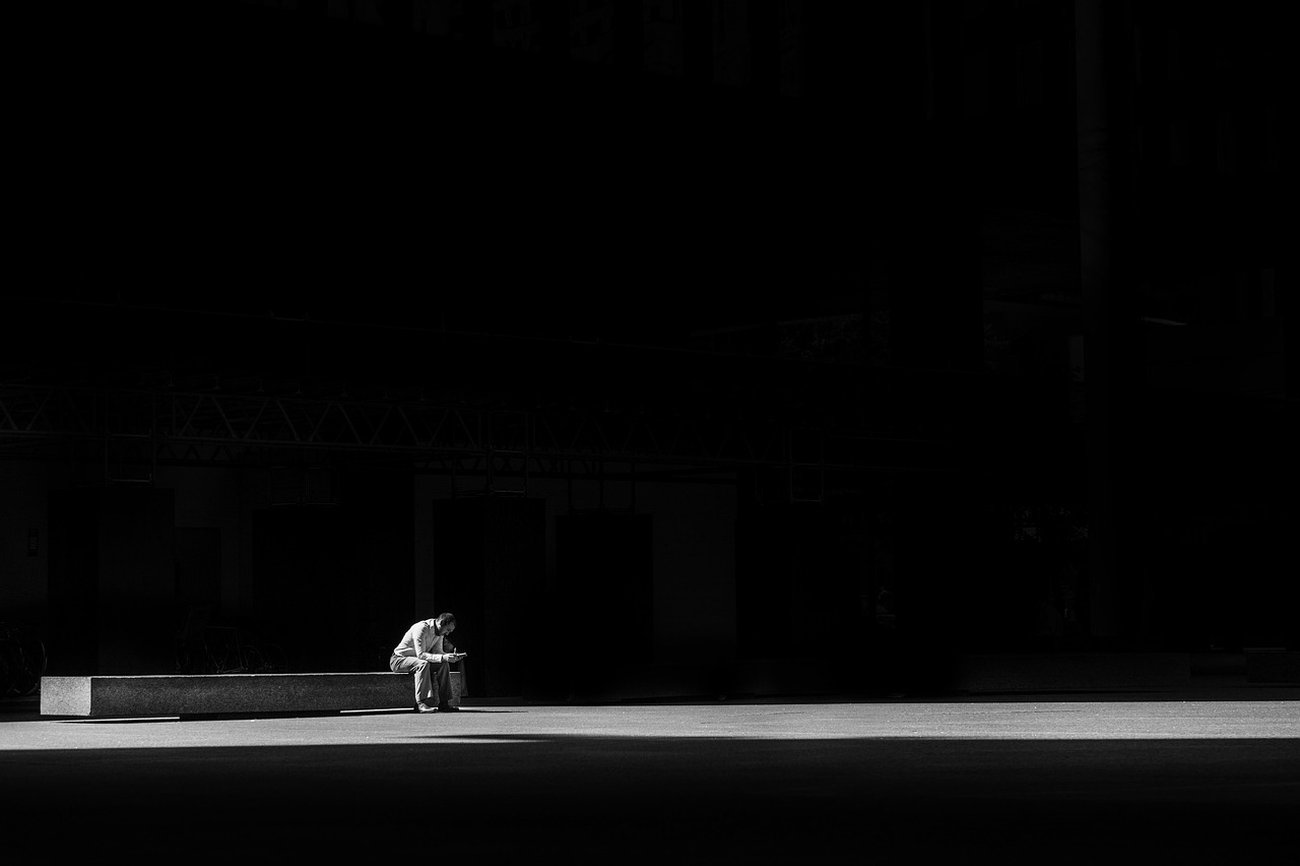

Decision Fatigue Is Not a Personal Failure

By four in the afternoon, I can be completely undone by a question as small as what to make for dinner. The decision itself is trivial. The collapse is real. For years I read this as evidence of something wrong with me, some shortage of discipline or grit that other people seemed to have and I didn't.
It took a while to see it differently. The problem wasn't my willpower. It was the sheer number of open loops I was holding at once. Every unanswered text, every pending invitation, every half-made plan sits in the mind as an unfinished task, quietly drawing power. Introverts tend to hold these loops vividly, because we process them deeply rather than letting them slide off.
Once I stopped treating the exhaustion as a moral failing, I could treat it as what it actually was: a design problem. And design problems have solutions.
Reduce the Number of Decisions, Not Your Standards
The most effective change I made was to stop deciding things twice. I used to agonize over meals, outfits, and small purchases as if each choice were unique. Now I let routine carry the weight. A handful of default breakfasts. A simple rotation of weekday dinners. A uniform of sorts. None of this is about lowering the quality of my life. It's about spending my decision budget on the things that actually deserve it.
I also batch the small stuff. Instead of answering messages as they arrive, I handle them in one or two windows a day. Instead of letting errands scatter across the week, I group them. The point isn't efficiency for its own sake. It's that a decision made once and reused costs almost nothing, while a decision made fresh every time costs the same whether it's important or not.
The other shift was permission. I gave myself permission to have fewer opinions about things that don't matter much. Not every choice needs to be optimized. Sometimes good enough, chosen quickly, is the more intelligent move.
Protecting the Energy You Have Left
Reducing decisions helps, but I also had to stop spending my best hours on the wrong things. For most introverts, there's a window of the day when thinking is clear and another when it simply isn't. I stopped scheduling anything that requires judgment during the fog. I save that time for mechanical tasks, or for rest.
Rest, it turns out, is not the reward for finishing the decisions. It's part of the system that makes good decisions possible. When I skip it, I don't get more done. I get worse done, and then I pay for it the next day.
If you're exhausted by choosing, you are not weak. You are simply carrying more open loops than one mind can hold without strain. Close a few on purpose. Give some away to routine. Guard the hours when you're sharp. The goal isn't to become a tireless decision machine. It's to make a small number of choices well, and let the rest be quiet.







Reframing the exhaustion of constant choosing as a design problem, not a character flaw.
A gentler approach to commitment for people who feel every yes in their body for weeks.
What if the goal isn't better recovery, but building a life you don't need to recover from?
Sometimes the most intentional choice is to leave a question open a little longer.
Planning around your actual energy, not your ideal self, changes everything.