





The Difference Between Solitude and Avoidance
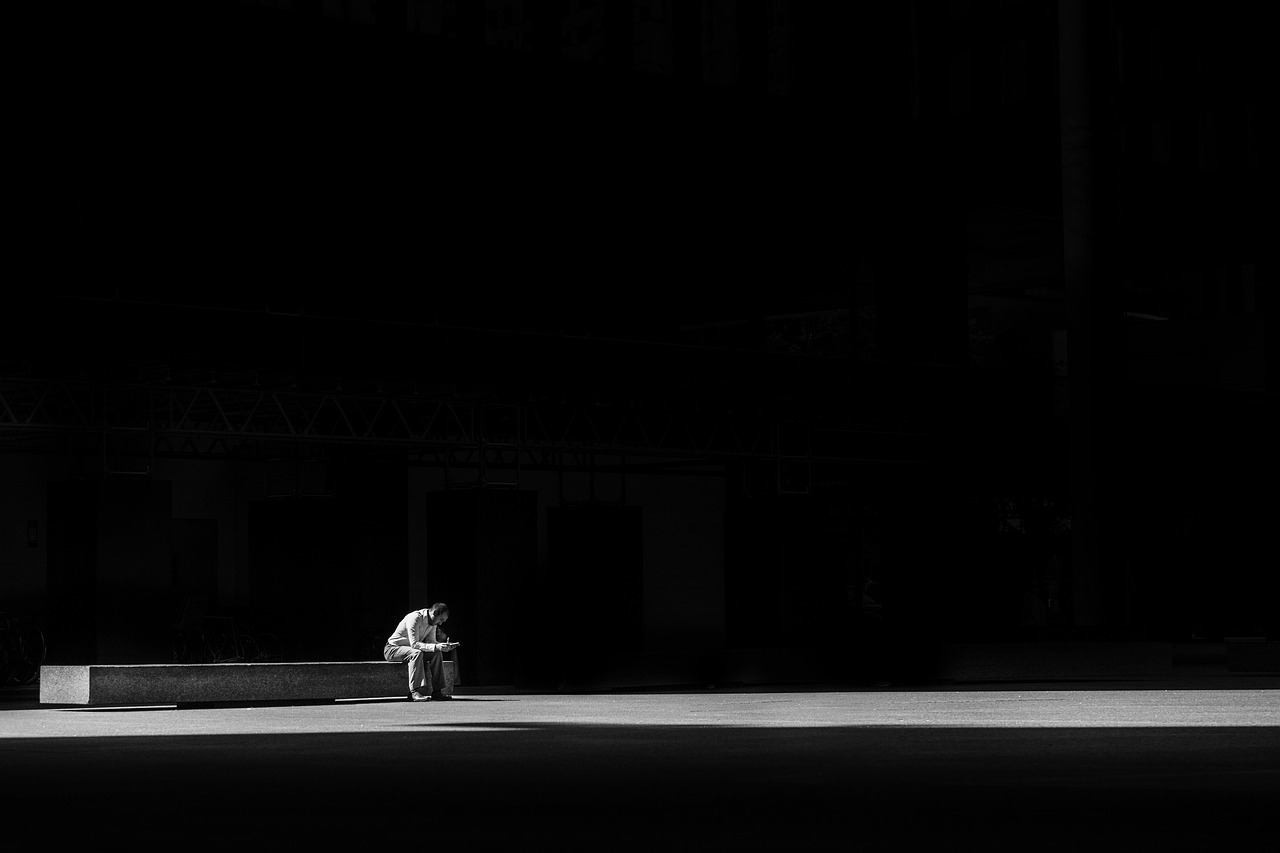
There's a version of being alone that restores you, and a version that quietly erodes you, and from the outside they look identical. Same closed door. Same unanswered messages. Same person on the couch with a book they're not really reading. The difference is internal, and it took me a long time to learn how to tell them apart.
Real solitude feels spacious. You chose it, you're present in it, and when it ends you feel more like yourself. Avoidance feels cramped. You fell into it, you're not really there, and when it ends you feel vaguely guilty or numb. Both are quiet. Only one is nourishing.
The tricky part is that avoidance often disguises itself as healthy introversion. We tell ourselves we're recharging when really we're hiding from something we don't want to face. A conversation we owe someone. A decision we've been circling. A feeling we'd rather not sit with. Solitude becomes the place we go to not deal with it.
How to Tell Which One You're In
The clearest signal is what you're doing with your attention. In real solitude, you're engaged with something, even if it's just your own thoughts. You're reading, walking, thinking, making something, or simply resting with a mind that's allowed to wander. In avoidance, you're usually distracting. Scrolling without seeing. Watching something you won't remember. Refreshing the same three apps. The activity isn't the point; the point is not being with whatever you're avoiding.
Another signal is how it ends. Solitude leaves you with a little more capacity. You come back to your life with something in reserve. Avoidance leaves you drained and slightly ashamed, and the thing you were avoiding is still there, usually a little bigger than before. If your alone time consistently ends in that particular flat feeling, it's worth asking what you're actually taking a break from.
This isn't a moral judgment. Avoidance is a normal human response to something that feels too heavy to hold right now. The problem isn't doing it occasionally. The problem is when it becomes the default, when the door stays closed not because you need rest but because you're afraid of what's on the other side.
Coming Back on Your Own Terms
What helps me is naming the thing. Not solving it, just naming it. I'll sit with the question: what am I actually avoiding right now? Usually an answer surfaces within a minute, and often it's smaller than the dread made it feel. A text I need to send. A boundary I need to hold. A feeling I've been outrunning.
I don't always act on it immediately. Sometimes I just acknowledge it and go back to my book, but now the solitude has a shape. It's rest with a known edge, not a fog I'm lost in. That small act of honesty turns avoidance back into choice.
Solitude is one of the best things available to an introvert. It's where we think, recover, and remember who we are. But it only works when we're actually in it, not using it as a waiting room for a conversation we're not ready to have. The door can stay closed. Just know why you closed it.







Both look like being alone, but only one of them is actually restful.
Some choices close doors permanently, and learning to live with that is its own skill.
Multitasking isn't a skill, and treating it like one has been quietly costing you.
A small daily ritual that keeps introverts from making choices on borrowed energy.
How to decline invitations and requests in a way your conscience can actually live with.