






The Quiet Art of the Ten-Minute Pause
Most of the decisions that wear me down aren't dramatic. They're the small, relentless ones: whether to attend the meeting in person, how to word a text that won't sound cold, whether to say yes to a favor when my calendar is already full. Individually, none of these should be hard. Together, they drain the battery before noon.
What I've learned is that the problem usually isn't the decision itself. It's the state I'm in when I make it. When I decide from depletion, I default to whatever ends the discomfort fastest, which is almost always yes, or whatever avoids conflict, which is almost always silence. Neither is a real choice. They're just escape routes wearing the costume of a decision.
The ten-minute pause is my antidote. It's not meditation and it isn't complicated. When a request or a fork in the road arrives, I simply refuse to answer it immediately unless it genuinely can't wait. I say some version of, "Let me check and get back to you," and then I give myself ten minutes away from the question.
Why Ten Minutes Works for Introverts
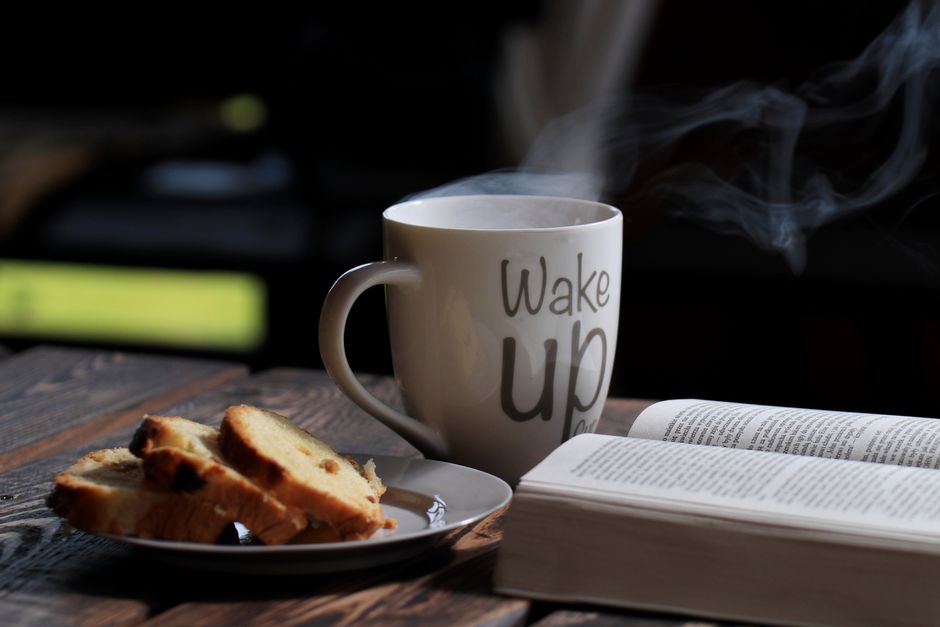
Ten minutes is short enough that it doesn't feel like a production, but long enough to interrupt the reflex. In that window I do something physical and undemanding: make tea, walk to the end of the block, water the plants. I'm not analyzing the decision. I'm letting my nervous system settle out of its reactive crouch.
Introverts tend to process deeply but slowly under pressure. We often know the right answer before we can articulate it, and we definitely know the wrong one. The pause gives that quieter knowing room to surface before the louder, more social part of my brain talks me into something I'll resent later. It also protects me from the opposite failure, which is overthinking a simple yes into a two-day deliberation.
There's a practical bonus too. A pause creates a record. When I look back at the requests I accepted on impulse versus the ones I sat with for even a few minutes, the pattern is obvious. The impulsive yeses are the ones I regret. The paused ones, whether I ultimately said yes or no, tend to sit right with me.
Making the Pause a Habit, Not a Heroic Effort
The trick is to attach the pause to something that already happens, so it doesn't depend on willpower. For me, it's the moment my phone buzzes with a request. I've trained myself to read it, feel the pull to respond instantly, and then set the phone face down. The pull is the cue. The face-down phone is the pause.
You can also build it into your language so it becomes automatic. Keep one sentence ready: "Let me get back to you this afternoon." Having the words pre-loaded means you don't have to invent them while under social pressure, which is exactly when invention fails.
None of this requires you to become a different person. It doesn't ask you to be more decisive or more assertive. It just asks you to stop making your quietest, most important choices in your loudest moments. Ten minutes, most days. That's the whole practice. And over a year, those ten-minute gaps add up to a life that actually reflects what you value, rather than what happened to be loudest at the time.







A small daily ritual that keeps introverts from making choices on borrowed energy.
How to decline invitations and requests in a way your conscience can actually live with.
Reframing the exhaustion of constant choosing as a design problem, not a character flaw.
A gentler approach to commitment for people who feel every yes in their body for weeks.
What if the goal isn't better recovery, but building a life you don't need to recover from?