





The Case for Doing One Thing at a Time
I spent years proud of my ability to do several things at once. Answering messages while listening to a podcast while half-watching a show while mentally rehearsing tomorrow's meeting. It felt efficient. It felt like I was squeezing more life out of each hour. It wasn't until I noticed how little I remembered of any of it that I started to wonder what I was actually gaining.
The answer, it turned out, was almost nothing. I was moving through more activities but finishing fewer of them well. The podcast wasn't absorbed. The show wasn't watched. The messages were answered, technically, but in a way that created more messages later. I was busy in a way that didn't add up to anything I could point to.
This is a common trap for introverts, who often feel pressure to keep up with a pace that doesn't suit them. Multitasking becomes a way to compensate, to prove we can handle the same load as anyone else. But the cost is quiet and cumulative. We end up exhausted without knowing why, because we've been running several half-lives at once instead of one full one.
What Single-Tasking Actually Feels Like
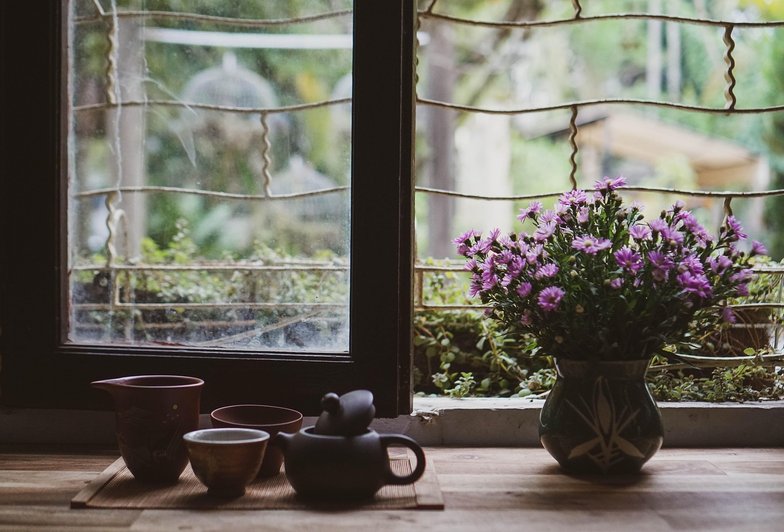
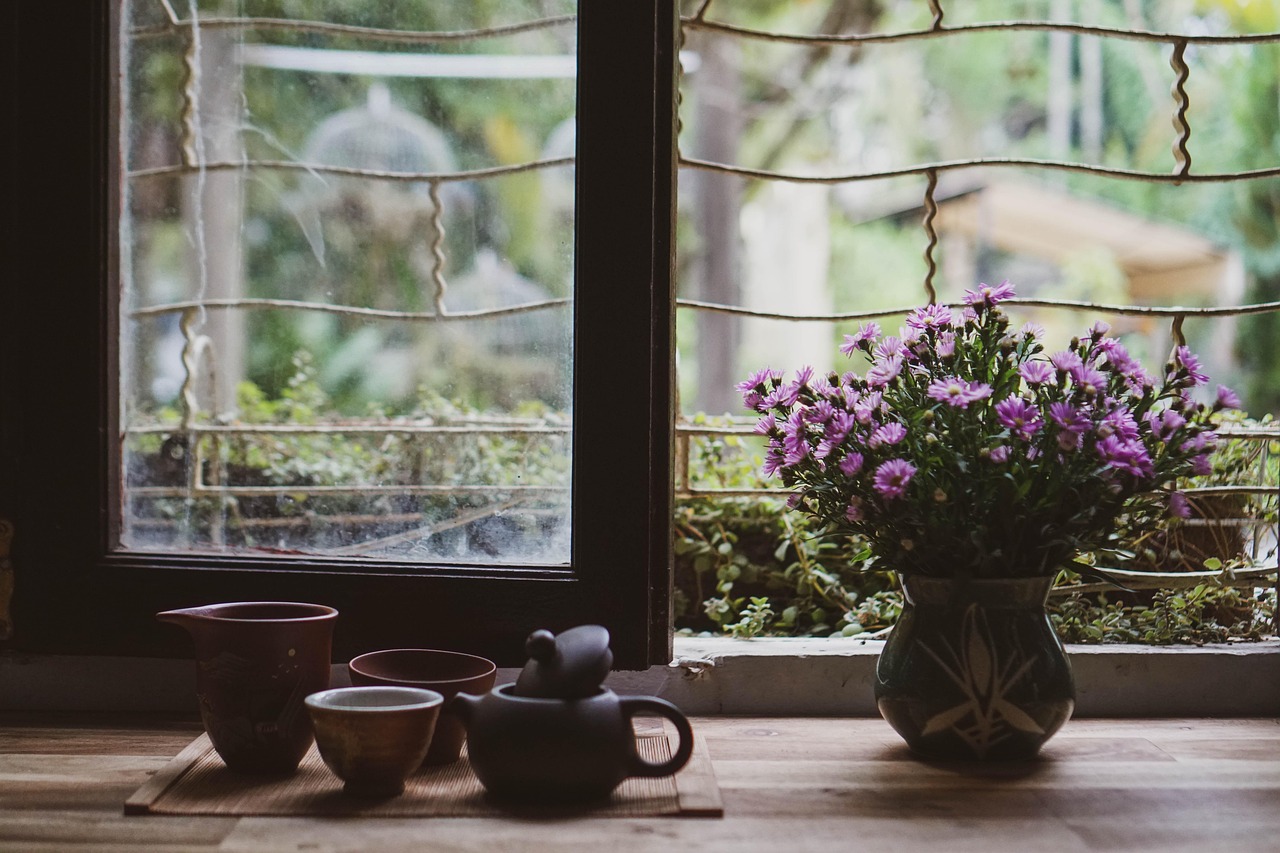
The first time I deliberately did one thing at a time, it felt almost embarrassing. I made tea and just made tea. I listened to the kettle, watched the steam, poured the water. No podcast. No phone. It took four minutes, and by the end I felt something I hadn't felt in a while: finished.
That's the word that keeps coming back. Single-tasking has an ending. Multitasking doesn't. When you do one thing at a time, you complete it and move on, and the completion registers somewhere in you as a small satisfaction. When you do five things at once, nothing ever finishes. You just rotate between open loops until you collapse.
For introverts, this matters more than for most people, because our attention is already being spent on internal processing. Every additional stream we open costs more than it would for someone who isn't constantly running background thoughts. Doing one thing at a time isn't a discipline trick. It's a way of not bankrupting an already busy mind.
Rebuilding the Muscle Slowly
You don't have to become a monk about this. I still listen to music while cooking. I still sometimes scroll while the coffee brews. The goal isn't purity. It's noticing when the multitasking is serving me and when it's just a nervous habit.
The practice I've found most useful is picking one daily activity and doing it alone. Not the most important one, just a small one. Brushing my teeth without a screen. Walking to the mailbox without headphones. Drinking the first cup of tea without a second thing. These small windows of undivided attention remind me what it feels like to be somewhere completely.
Over time, the effect compounds. My work sessions are shorter but better. My conversations are more present. I remember more of what I read, because I actually read it. The hours haven't gotten longer. They've just stopped leaking.
If you're tired in a way that sleep doesn't fix, this might be why. You're not doing too much. You're doing too many things at once, and none of them are getting the version of you that they deserve. Try one thing. Just one. See how it feels to finish something again.







Multitasking isn't a skill, and treating it like one has been quietly costing you.
A small daily ritual that keeps introverts from making choices on borrowed energy.
How to decline invitations and requests in a way your conscience can actually live with.
Reframing the exhaustion of constant choosing as a design problem, not a character flaw.
A gentler approach to commitment for people who feel every yes in their body for weeks.